The right underlay depends on how the floor is fitted and what is underneath it. Glued-down floors need none; floating floors always need one.
Short answer: Glued-down engineered floors need no underlay. Floating floors always do: over concrete or screed use an underlay with a built-in damp-proof membrane, over timber a fibre or foam underlay that levels small dips, and in flats an acoustic underlay that meets the lease. Over underfloor heating, choose a thin underlay with low thermal resistance. Updated October 2026 by the LIGNORA flooring team
It depends on the fitting method.
A glued-down floor is bonded straight to the subfloor with flooring adhesive, so it uses no underlay. A floating floor sits on an underlay and is not fixed down, so the underlay does the work of cushioning, levelling small dips and reducing noise. See glue-down vs floating.
Match the underlay to what is underneath.
Underlay cannot fix a bad subfloor.
Underlay smooths out small dips, not large ones: the subfloor still needs to be flat, dry and sound. Never lay underlay over old carpet. Check the screed's moisture before laying on concrete, and follow the floor maker's spec sheet for approved underlays.
Written by the LIGNORA team. Our in-house fitters have over 11 years’ experience laying engineered oak, parquet and solid wood floors, and this guide reflects how we specify floors on real projects. Last reviewed October 2026.
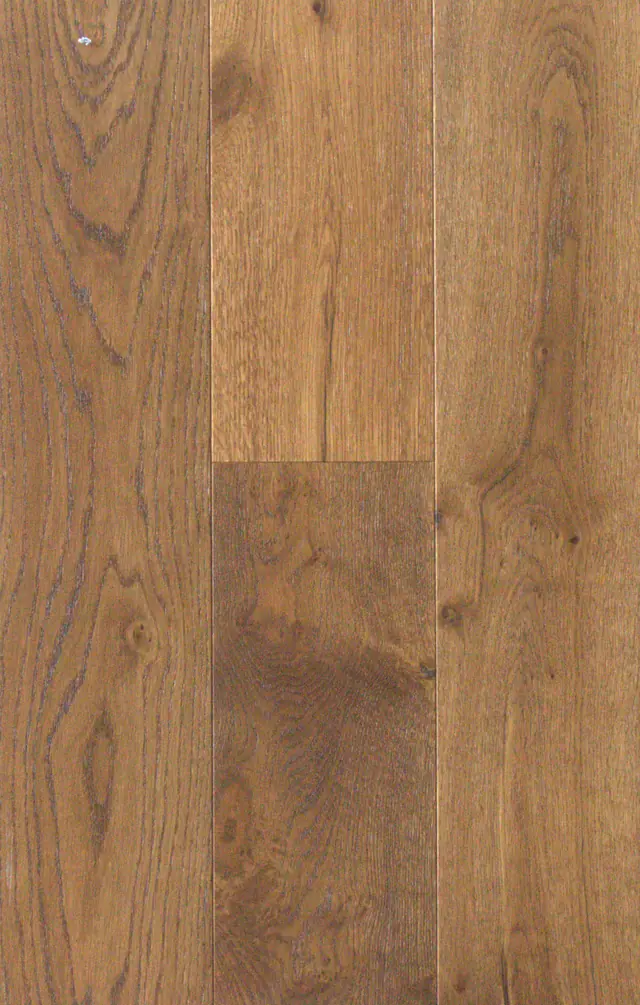
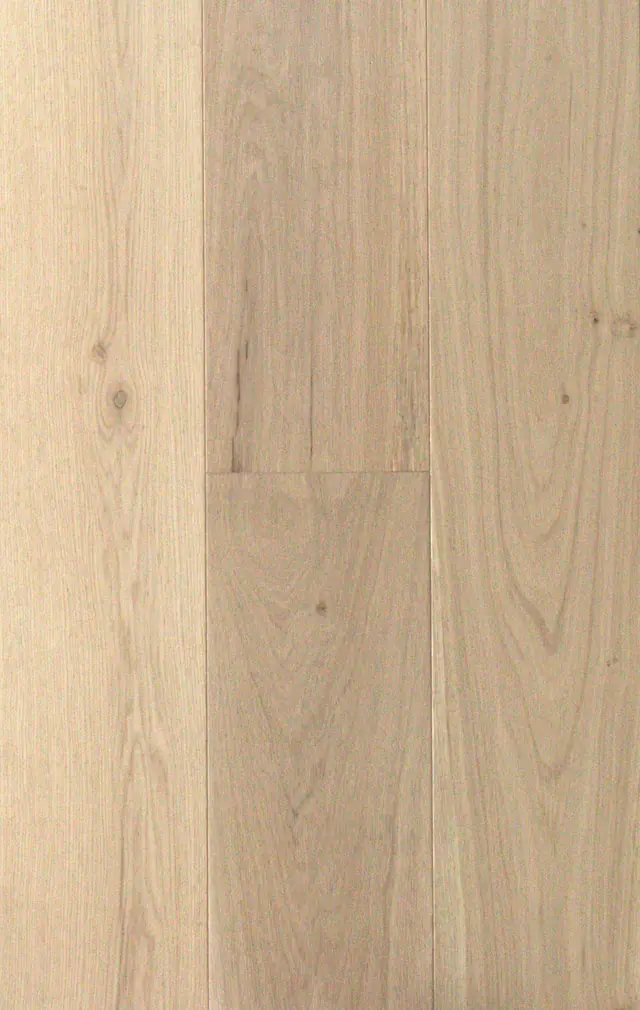
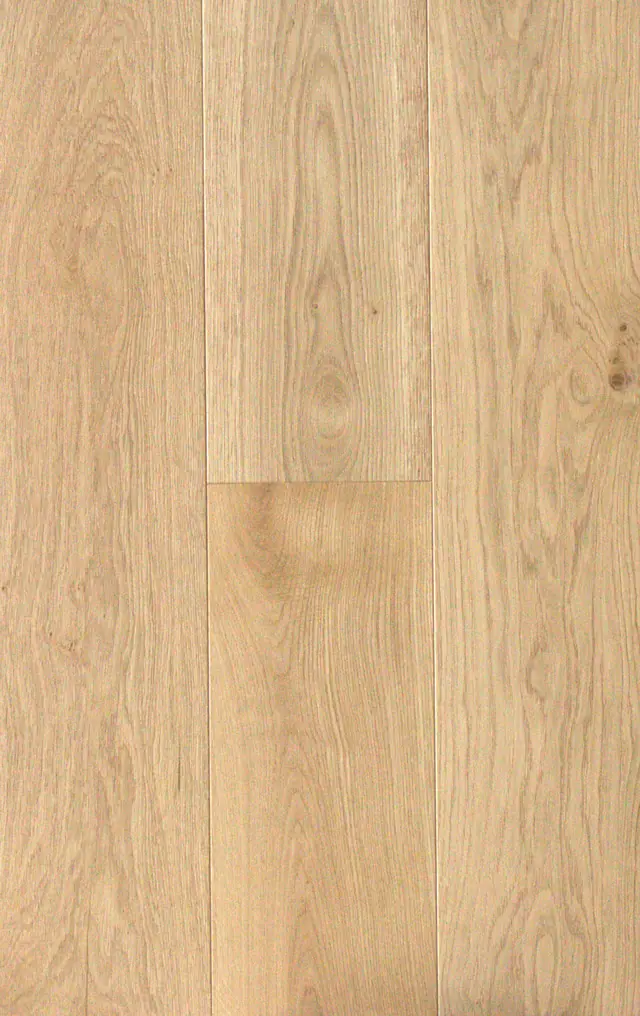
A few floors from the range. Each has its own page with the full specification, a spec sheet and a free sample posted to you.


Send us a photo of the room and tell us about the subfloor and heating, and we will recommend the right board. Or order free samples to see them at home.