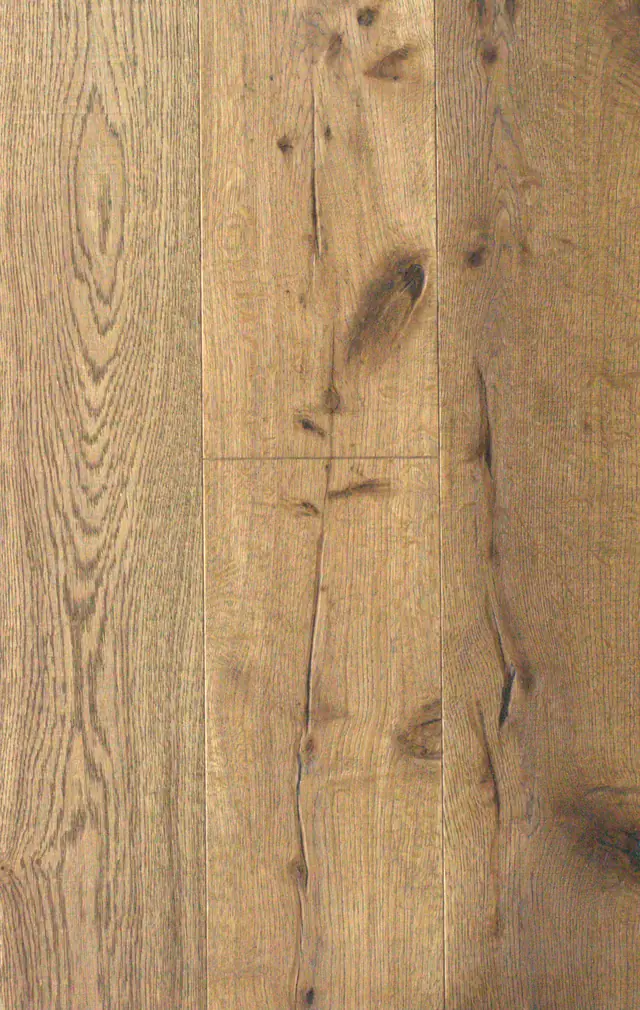
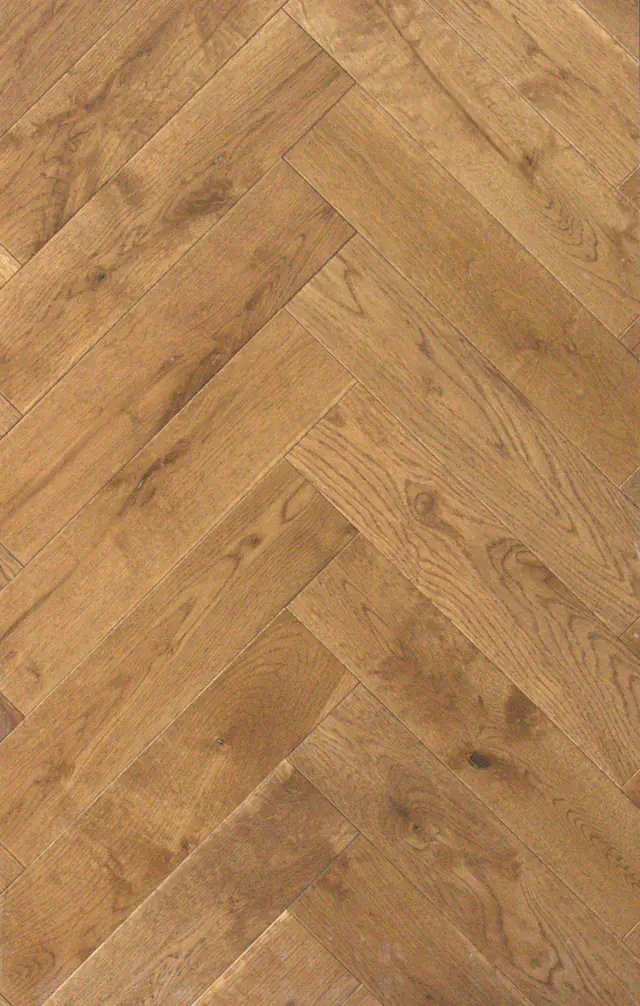
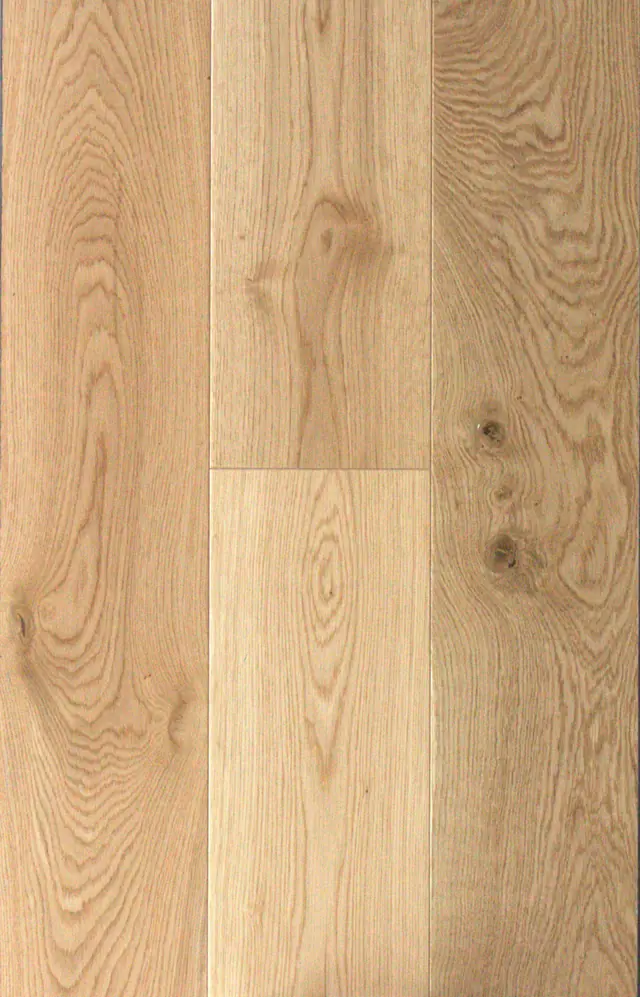
"COMPARE"
Decision Guide

Engineered or Solid
Wood — Which Is Right?

Both are real wood. Both can last decades. The choice comes down to your subfloor, your heating system, your property type, and what you want the floor to do long-term. We sell both and have no bias — here is an honest answer to the question every buyer asks.

Real Wood Comparison UFH Compatibility Subfloor Suitability Long-Term Value
The Construction Difference
What's Actually
Different
Engineered Oak

A real oak wear layer — typically 3–6mm thick — bonded to a multi-ply birch plywood core. The core runs in alternating grain directions, which dramatically reduces seasonal expansion and contraction compared to solid wood.

The wear layer is indistinguishable from solid oak on the surface. It can be sanded and refinished multiple times depending on its thickness. A 3mm wear layer: typically 1–2 sands. A 6mm wear layer: 3–4 sands over a lifetime.

Available in widths up to 400mm and in all the same species, grades, and finishes as solid oak. Works above underfloor heating. Suitable for concrete subfloors. Compatible with floating installation.

Our Recommendation for Most Projects
Solid Wood

A single piece of timber from top to bottom — typically 18–22mm thick. No composite core. The entire depth is the species you have chosen. It can be sanded multiple times over a very long life, potentially exceeding a century in the right conditions.

Solid wood moves more significantly with seasonal humidity changes than engineered. Widths above 130mm become problematic in centrally heated homes. It should not be used above underfloor heating systems, and is unsuitable for concrete subfloors without a significant floating installation.

The right answer for ground-floor installations in period properties, particularly where original solid boards are already present and continuity matters.

Specific Use Cases — We Will Advise
Head to Head
Six Factors That
Determine the Right Choice
Factor Engineered Oak Solid Wood
Underfloor Heating Fully compatible — all systems Not recommended
Concrete Subfloor Glue-down or floating Requires timber sub-floor overlay
Wide Boards (180mm+) Stable up to 400mm Risk of gapping and movement
Sanding & Refinishing 1–4 times depending on wear layer Multiple times over long life
Upper Floors / Apartments Floating install, acoustic underlay Heavy, acoustic challenges
Period Property Authenticity Indistinguishable on surface Technically correct to period
Common Misconceptions
What People Get
Wrong
"Engineered isn't real wood"

It is real wood. The wear layer — the surface you walk on, sand, and see — is the same European oak as solid. The core beneath is birch plywood, chosen for its stability, not as a cost-cutting measure. The two materials serve different functions in the same floor.

"Solid lasts longer"

This depends entirely on the wear layer thickness. A 6mm engineered wear layer lasts as long in practical terms as most solid floors — longer in many modern centrally heated homes where solid wood would have gapped and moved significantly. The meaningful question is not solid vs engineered — it is what thickness wear layer.

"Solid is always better for period homes"

Period homes were built before central heating. Original solid boards in a Victorian terrace were laid into a cold, relatively humid environment. Today's centrally heated interiors cause solid boards to gap in winter and swell in summer in a way the original installation never experienced. Engineered is often the more stable — and more practical — choice.

Our Position
What We Recommend
& Why

We sell both engineered and solid oak. We have no financial incentive to push one over the other. What we do have is a view formed from installing both across hundreds of London and South East properties over many years.

For the majority of London residential projects — centrally heated, mixed subfloors, often above ground floor — engineered oak is the more stable, more practical, and ultimately more successful choice. It performs better in the conditions it will actually live in.

Solid wood is the right answer in specific circumstances — ground floor only, no underfloor heating, timber subfloor, and where an authenticity argument is genuinely relevant to the project. We will tell you when those circumstances apply and when they do not.

"ADVICE"
Free Home Visit · No Obligation

Still Not Sure?
We'll Advise in Person.

We visit the property, assess the subfloor, check the heating system, and give you a clear recommendation before any cost is committed. No pressure — just honest advice.

Book Your Free Home Visit → View Engineered Oak