"EDIT"
Ideas & Aesthetics

Floor
as
Canvas.

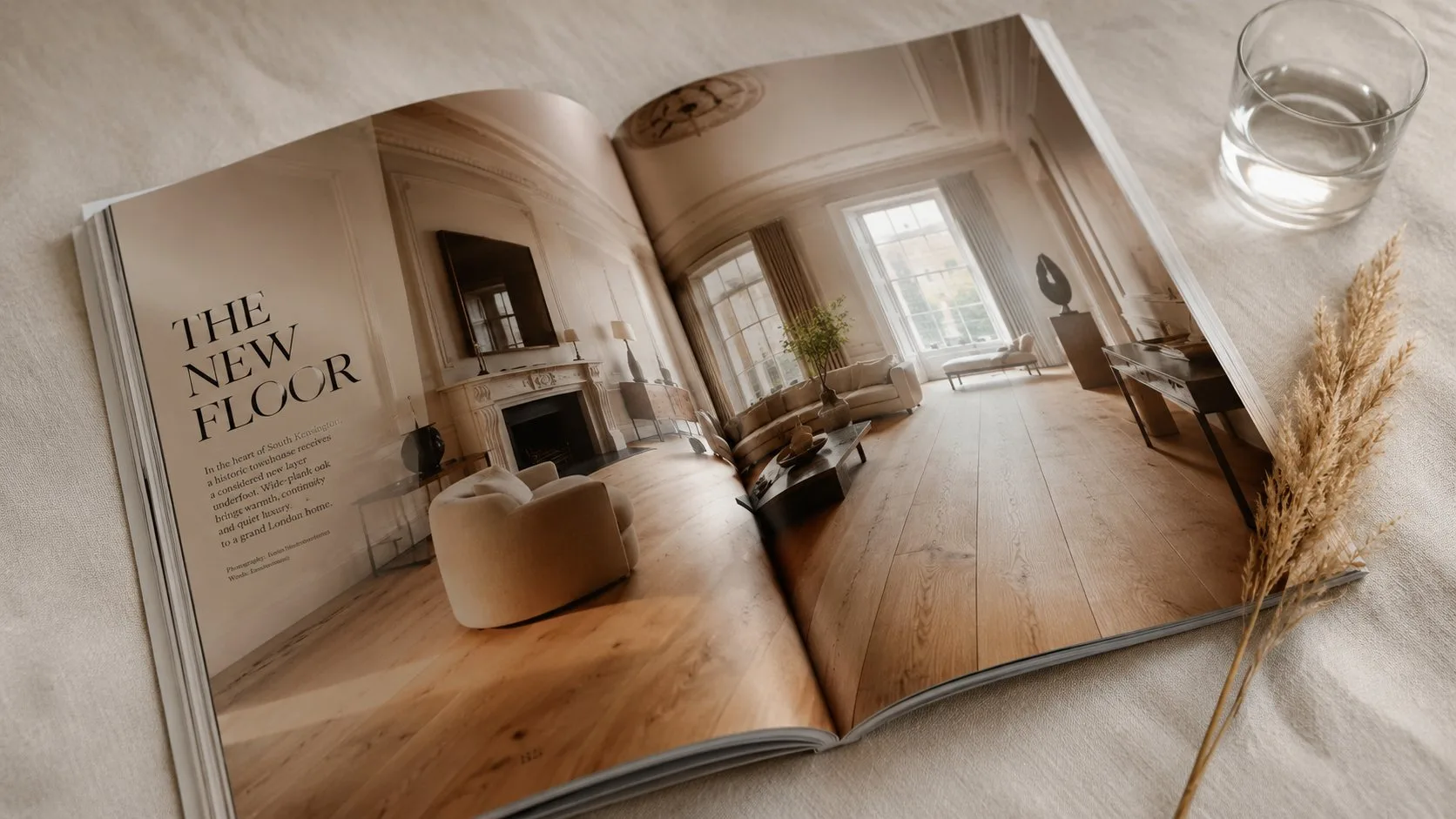
The floor sets the tone before any other decision is made. The wood you choose — its tone, grain, pattern — shapes the entire character of a room. These are our thoughts on pairing, proportion, and the quiet power of getting it right.

Mood & Tone Interior Pairings Style Direction
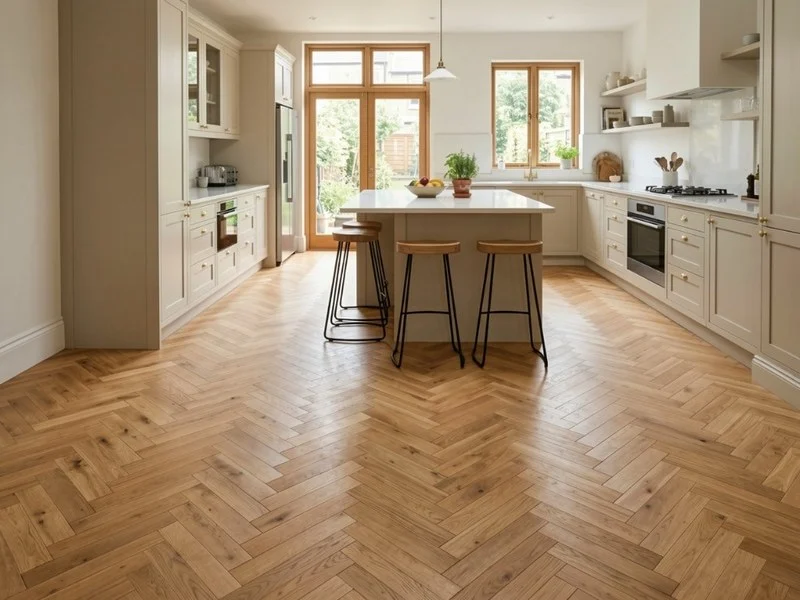
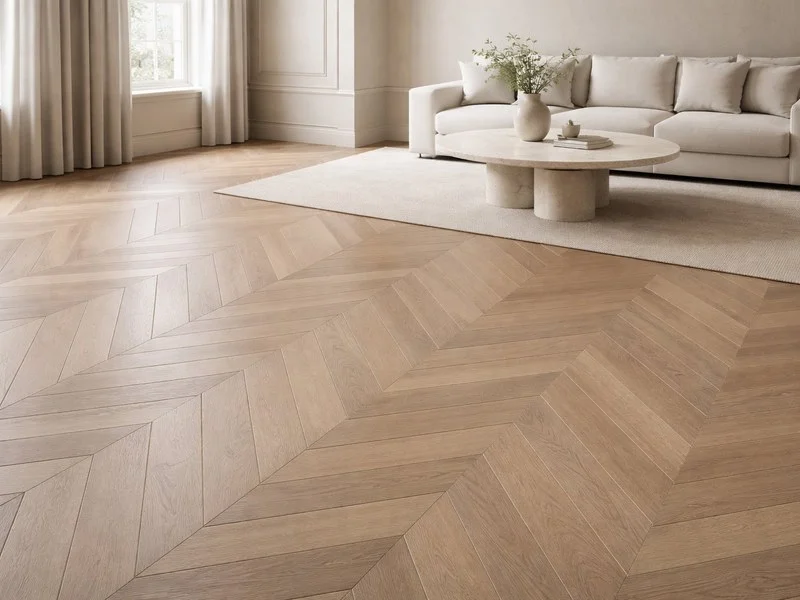
Herringbone in a London kitchen
Pattern
Why Herringbone
Still Wins in
the Kitchen
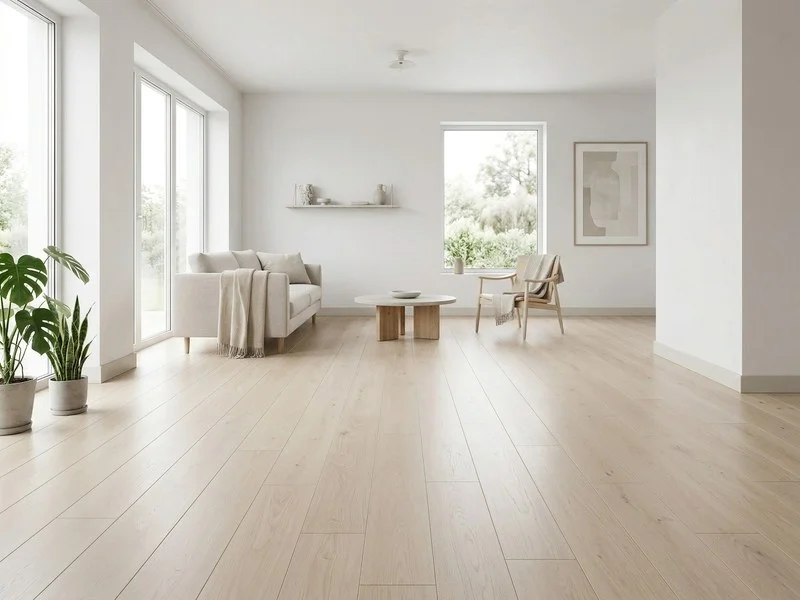
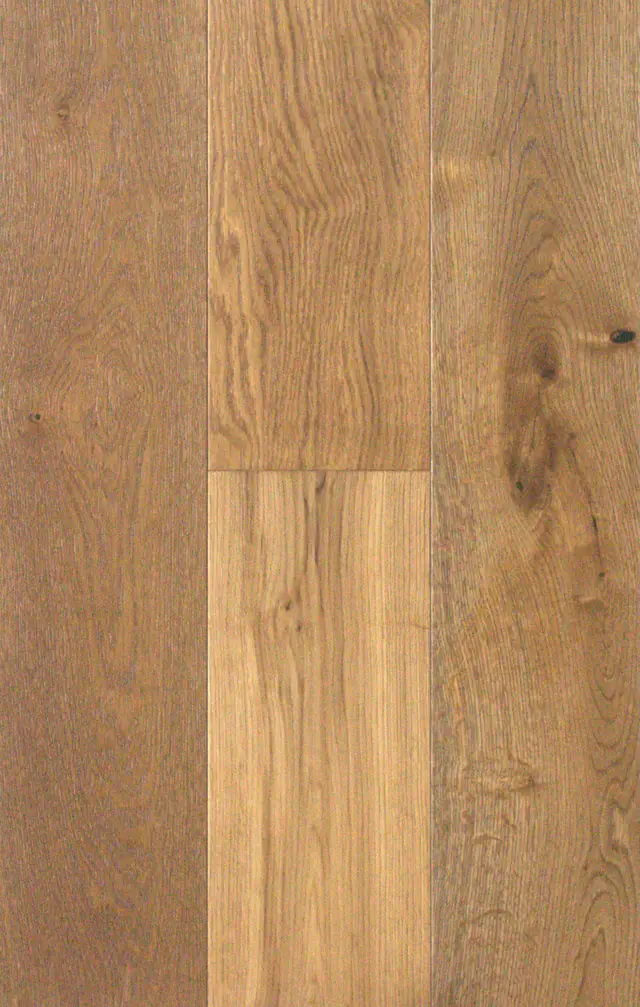
Pale linen-toned engineered oak
Tone
Linen, Stone &
Pale Oak —
A Nordic Study
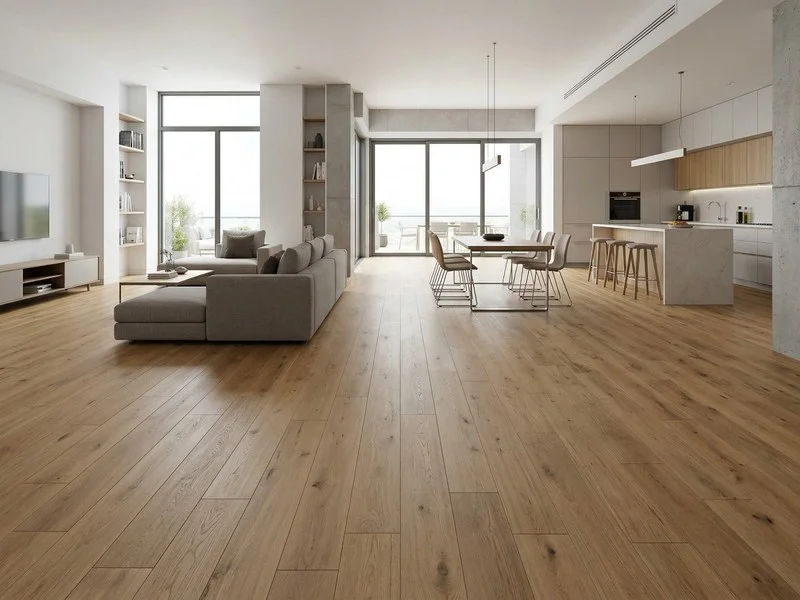
Continuous flooring in an open plan space
Space
One Floor,
Every Room —
On Continuity
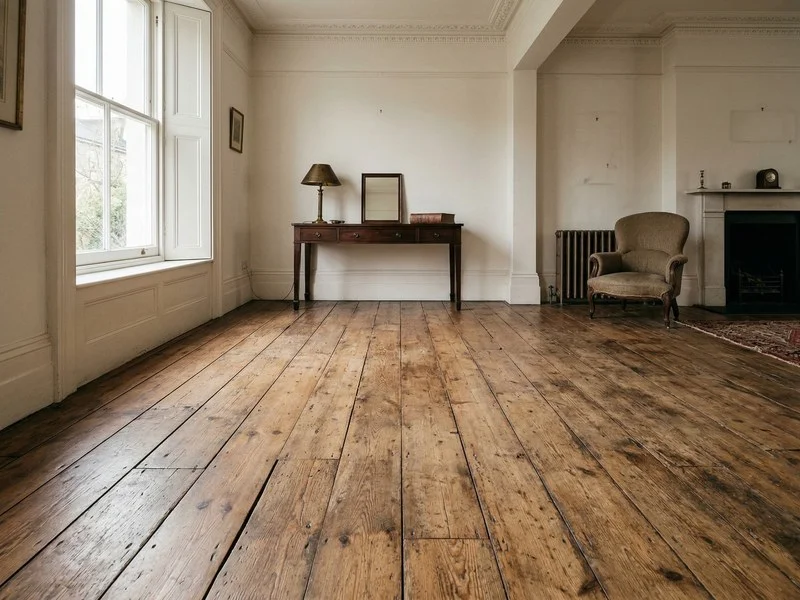
Original boards in a period London home
Restoration
What Lives
Beneath — The
Original Board
Wood grain direction and light
Detail
The Direction of
Grain & Light
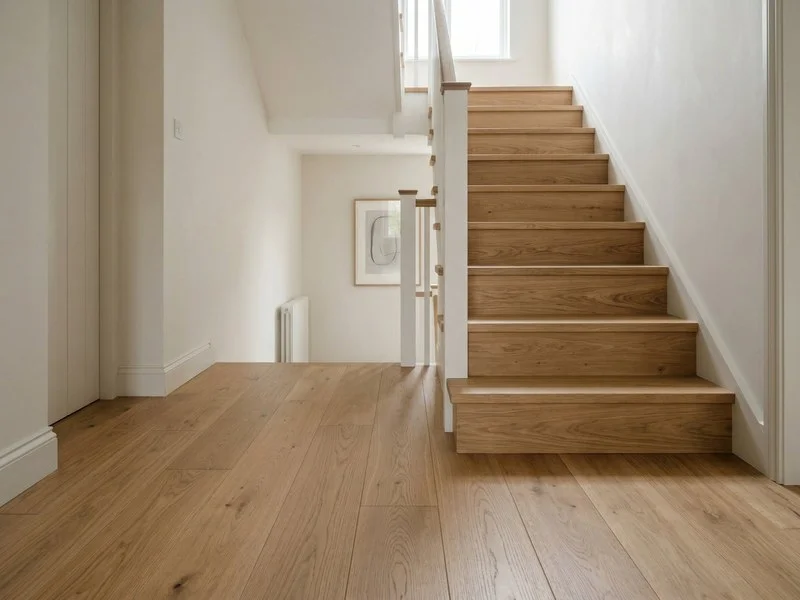
Oak staircase with matching floor
Joinery
When the
Staircase Speaks
to the Floor
Muted tone palette with mid oak
Palette
Muted Tones &
the Mid-Oak
Moment
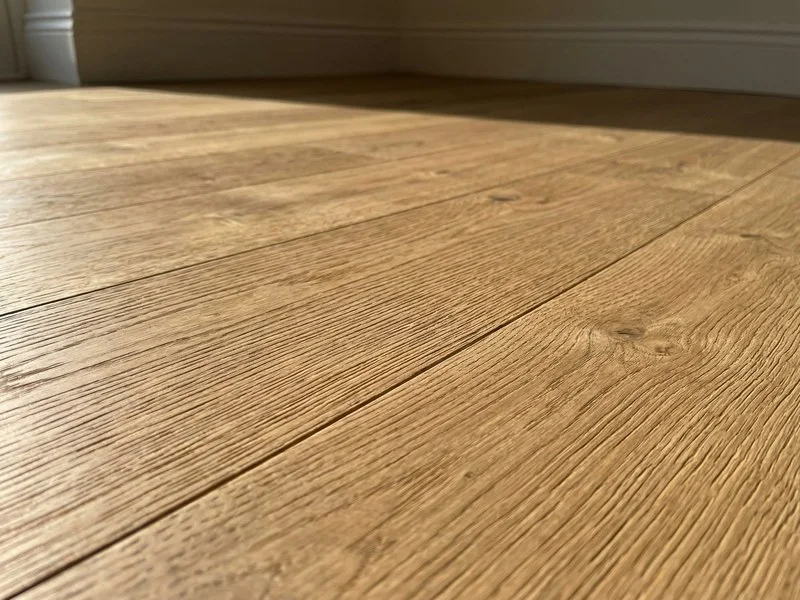
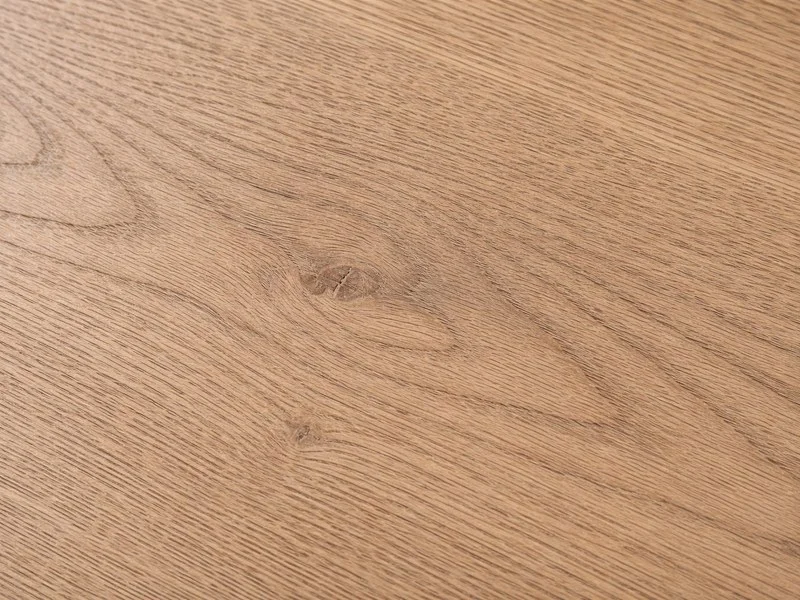
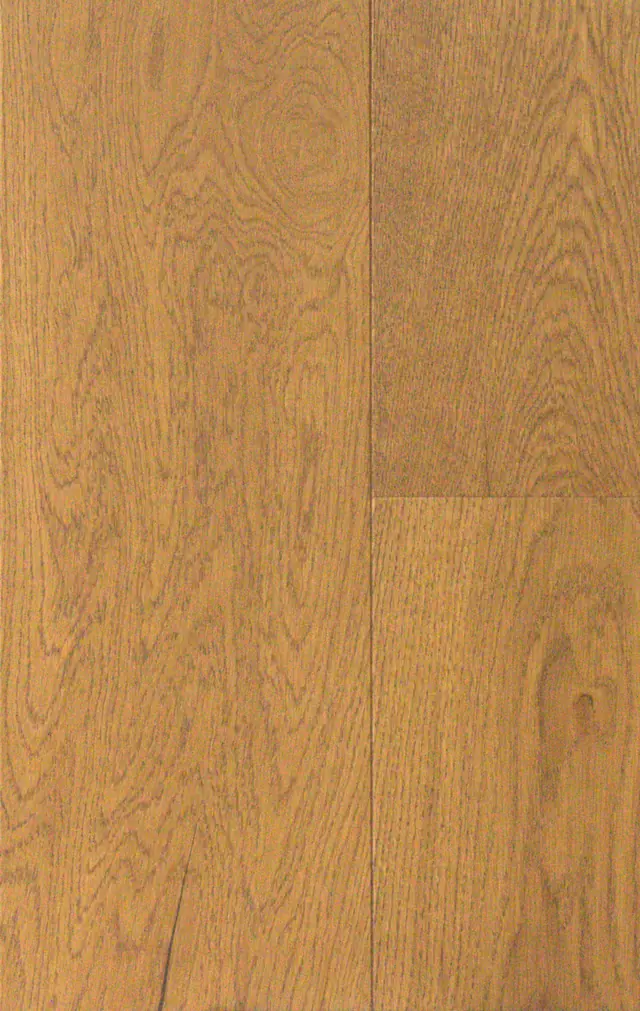
Brushed and oiled oak texture close-up
Finish
Brushed, Oiled,
Untreated — A Study in Surface
"LIGNORA"
Ready to Choose Your Floor

Let's Talk
About Your
Space.

Every home is different. Get in touch and we'll give you honest, considered advice on the right floor for yours — no pressure, no guesswork.

Get in Touch → Back to Home

The nine pieces of editorial below cover the decisions that define how a wood floor looks and performs — tone and grain direction, the case for dark versus pale oak, why herringbone works in kitchens, how to think about surface finish, and what happens when you extend the same floor from ground floor to staircase and landing. Each article is written by the LIGNORA team from direct project experience, not generalist flooring content.

These ideas apply equally to engineered oak floors in contemporary London homes and to original Victorian boards being brought back in a period terrace — the principles of light, grain, finish and continuity are the same regardless of whether the floor is new or being restored. Browse by article or start with the featured piece.

Editorial from LIGNORA

Thinking About the Floor

The articles here are written from direct project experience — not from flooring industry generalities. Each one addresses a specific decision that homeowners face and that we encounter on every home visit: which tone to choose, why the grain direction matters, when herringbone is the right answer and when it is not, what happens when the staircase and the floor are designed independently of each other.

The floor is the one element in a room that connects everything else — it runs beneath every piece of furniture, under every wall, and up to every door. The decisions made about the floor affect how the entire room reads. These articles are an attempt to give those decisions the attention they deserve.

Key Topics

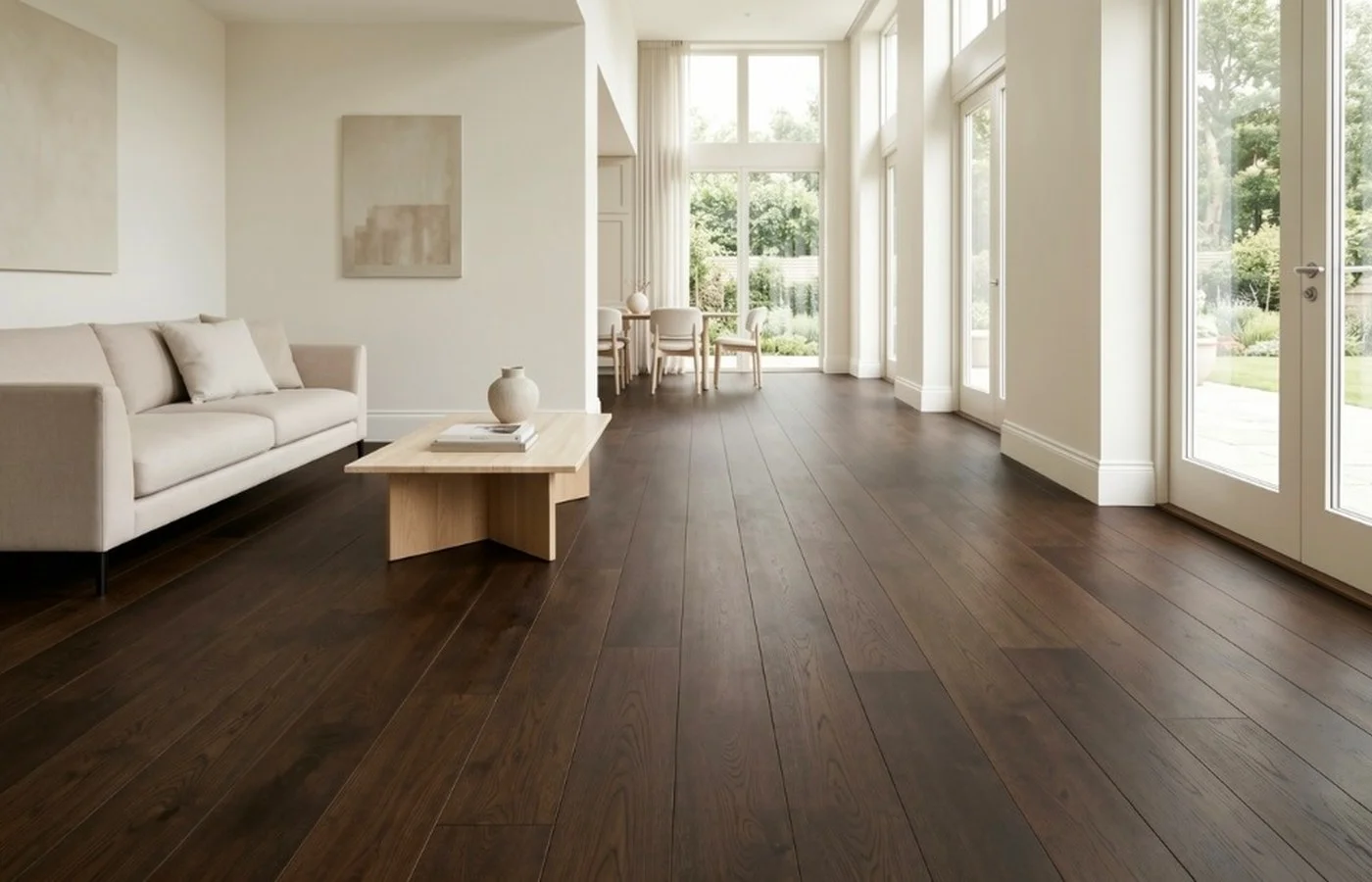
Dark oak in pale interiors

Herringbone in the kitchen

Restoring original floorboards

Brushed, oiled, lacquered — choosing a finish

When the staircase speaks to the floor