"LISTED"
Listed & Heritage Buildings

Wood Flooring in
Listed Buildings.

Listed buildings need a specialist, not a standard installer. The consent question, the reversibility question, the correct materials question — these apply before a single board is laid. LIGNORA works in listed and heritage properties across London and the South East. We understand what conservation officers need and what the listing actually restricts.

Consent Advice Reversible Methods Heritage Materials Reclaimed Timber Conservation Documentation
Understanding the Constraints
What Listed Building Status
Actually Means for Floors

Listed building status protects the special architectural or historic interest of a building — its character, materials, and fabric. This applies to all grades: Grade I, Grade II*, and Grade II. The listing covers internal as well as external elements.

For floor works specifically, the relevant question is whether the works affect the fabric of the building. Like-for-like replacement of an existing non-original floor — replacing a vinyl tile with engineered oak, for example — generally does not require listed building consent. Works that remove or damage original fabric — lifting original floorboards, applying permanent adhesives to original substrates, or installing in a way that cannot be reversed — are more likely to require consent.

The correct approach is to establish what is original and what is not before any works are proposed. In many London listed properties, the floors have already been altered in the 20th century — what is under the carpet is not necessarily original to the listing. This matters for the consent argument.

We advise honestly on what we believe requires consent and what does not. We will not recommend works that we believe compromise the listing, and we will not proceed with any works where consent is required but not obtained.

When Consent Is Likely Required
  • Removal of original floorboards or parquet
  • Permanent adhesive to an original substrate
  • Structural works to the floor deck
  • Works in Grade I or II* buildings (higher scrutiny)
When Consent Is Generally Not Required
  • Like-for-like replacement of a non-original floor
  • Floating installation over existing substrate
  • Restoration of original floors (sanding, refinishing)
  • Temporary or reversible installations
The Right Materials
What Works in
a Listed Building
01
Genuinely Reclaimed Timber

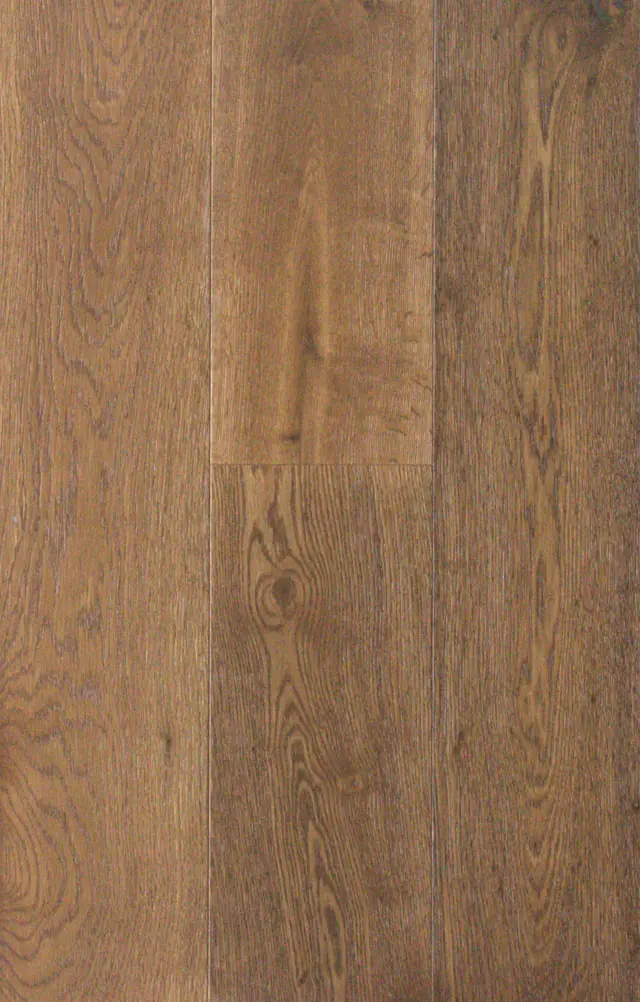
Antique oak and Victorian pine sourced from genuine salvage is the most sympathetic material for listed properties. It matches the character of the building, has the natural patina that contemporary materials cannot replicate, and reads as appropriate to conservation officers assessing the works. We source reclaimed timber with verifiable provenance for listed building projects.

Reclaimed Flooring →
02
Period-Appropriate Engineered Oak

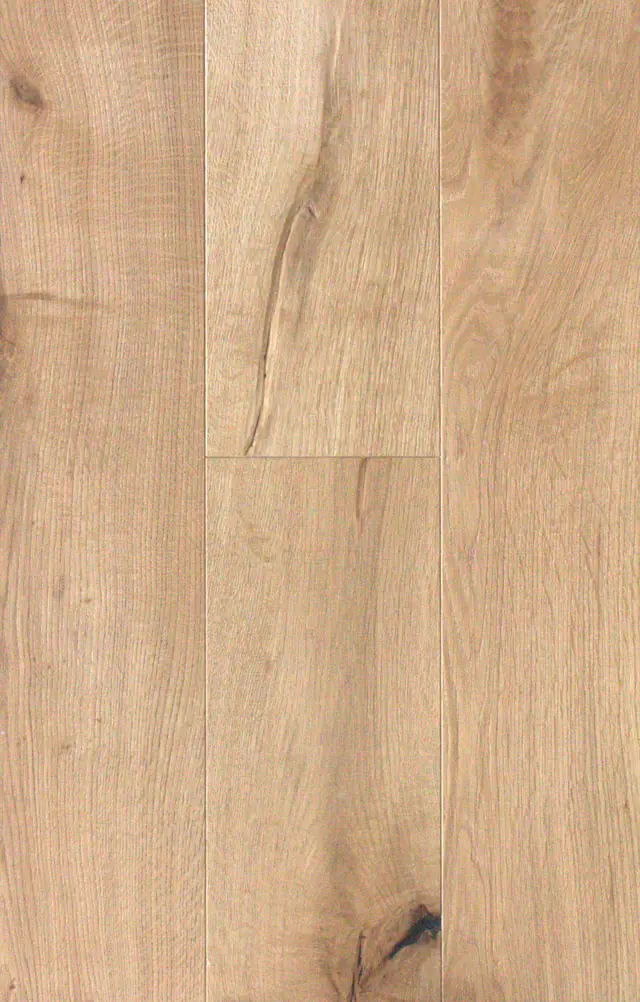
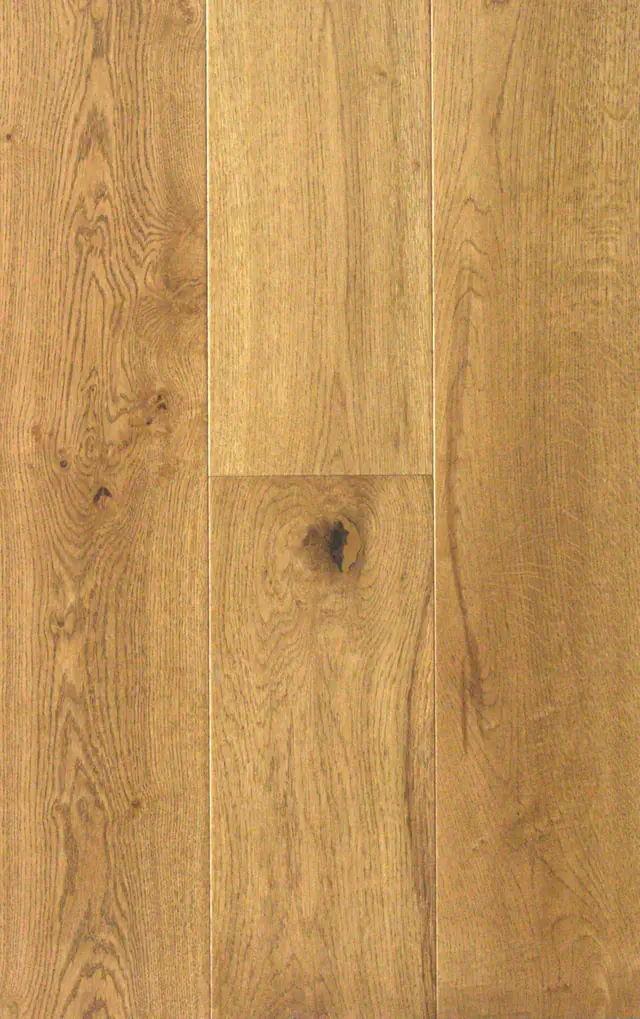
Where reclaimed timber is not available or not appropriate, engineered oak in a rustic or antique-character grade with a wax oil or hardwax oil finish is the next best specification. The finish should reference the period of the building — warm tones, natural surfaces, no plastic sheen. Contemporary Nordic or pale invisible finishes typically look out of place in Georgian or Victorian interiors.

Reclaimed Collection →
03
Original Floor Restoration

Where original floorboards, parquet or stone are present, restoration is almost always the correct approach in a listed building — and often the one most likely to receive consent. We carry out full floor restoration including re-adhesion of lifted parquet, sanding, filling, and period-appropriate re-oiling. The result is more authentic than any new installation.

Floor Restoration →
Installation Method
Reversibility —
Why It Matters

The principle of reversibility is central to heritage conservation — works should be capable of being undone without further damage to the original fabric. For floor installations in listed buildings, this principle affects every decision from adhesive choice to subfloor preparation.

Floating installation — boards clicked together over a compressible underlay, not bonded to the substrate — is our preferred method in listed buildings. The floor can be fully removed if required: for building services access, for future restoration works, or because consent conditions require it. The original substrate beneath is not affected.

Where glue-down is structurally required, we use reversible adhesives — bonding agents that create a firm installation but can be released with appropriate solvent without damaging masonry or timber substrates. We document the adhesive specification in the project record so future owners know what was used.

Documentation We Can Provide
  • Written specification for consent application
  • Reversibility statement for conservation officer
  • Product data sheets and material specifications
  • Adhesive technical data for substrate compatibility
  • Joint site visits with conservation officer if required
Period Property Projects
Heritage Floors
We Have Worked On
"LISTED"
Specialist Consultation

Tell Us About
Your Listed Property.

Listed building flooring begins with an honest assessment of what the listing allows. Tell us the property, the grade, and what you are hoping to achieve — we will advise clearly on what is possible and what requires consent.

Book a Specialist Consultation → Period Home Flooring