Free samples posted anywhere in the UK✦25-year structural warranty✦The same in-house fitters for over 11 years✦Every enquiry answered within 24 hours✦Free samples posted anywhere in the UK✦25-year structural warranty✦The same in-house fitters for over 11 years✦Every enquiry answered within 24 hours✦

Glue-Down vs Floating Wood Flooring

There are three ways to fit a wood floor: glued down, floated on underlay, or secret-nailed to timber. The right one depends on your subfloor and the pattern.

Short answer: Glue-down suits concrete, screed and underfloor heating and feels the most solid; it is the only method for herringbone and chevron. Floating, over an underlay, is quicker and suits some flat, dry subfloors. Secret nailing suits solid or engineered boards over timber joists or battens. The subfloor and the pattern decide which is right. Updated October 2026 by the LIGNORA flooring team

01

Glued down

Bonded to the subfloor with flooring adhesive.

Each board is bonded directly to concrete, screed or plywood. The floor feels solid and quiet underfoot, transfers heat well over underfloor heating, and is the method we use for every herringbone and chevron floor. It needs a flat, dry, sound subfloor, so preparation matters.

02

Floating

Laid on underlay and joined board to board.

Boards are joined by their tongue and groove or click profile and laid over an underlay, without being fixed to the subfloor. It is quicker and suits plank floors where gluing is not practical, but it can sound slightly hollower and needs an expansion gap around the edges. Patterned floors are not floated.

03

Secret-nailed

The traditional method on timber.

Boards are nailed through the tongue into timber joists or a plywood deck, so no fixings show. It is the classic way to lay solid oak on a timber subfloor, and it cannot be used on concrete.

About this guide

Written by the LIGNORA team. Our in-house fitters have over 11 years’ experience laying engineered oak, parquet and solid wood floors, and this guide reflects how we specify floors on real projects. Last reviewed October 2026.

Glue-Down vs Floating,
Answered

The questions we are asked most often.

Ask Us Anything →
Is it better to glue or float engineered wood flooring?
Gluing gives a more solid, quieter floor and suits underfloor heating; floating is quicker and suits plank floors where gluing is not practical.
Can herringbone flooring be floated?
No. Herringbone and chevron are glued down so every block stays exactly in the pattern.
Which fitting method is best over underfloor heating?
Glue-down, because the board is bonded to the screed and heat transfers through it efficiently.
Can you nail wood flooring to concrete?
No. Secret nailing needs timber joists or a plywood deck; on concrete the floor is glued or floated.

Floors to start with

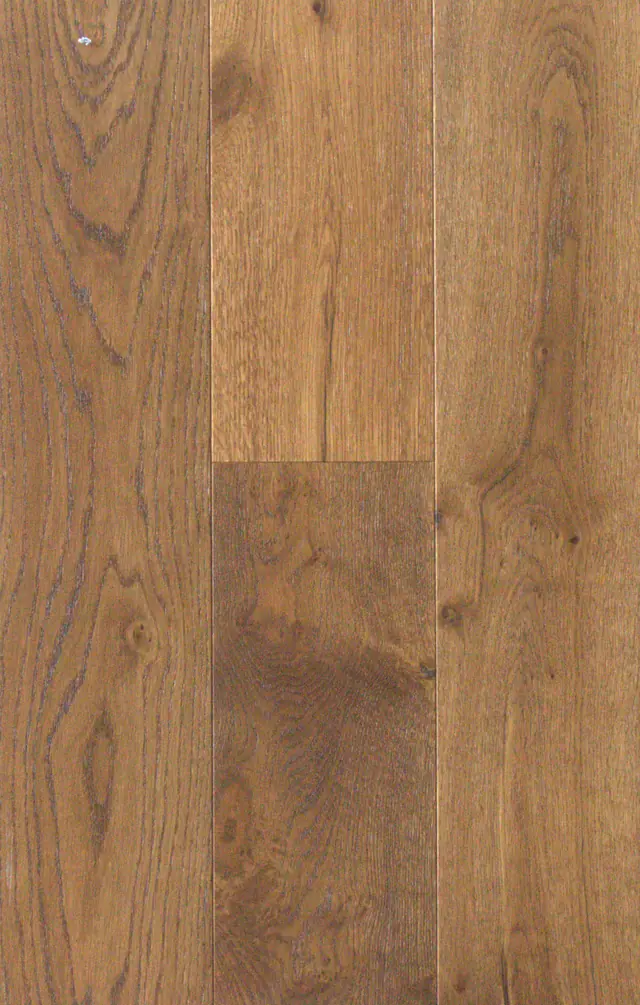
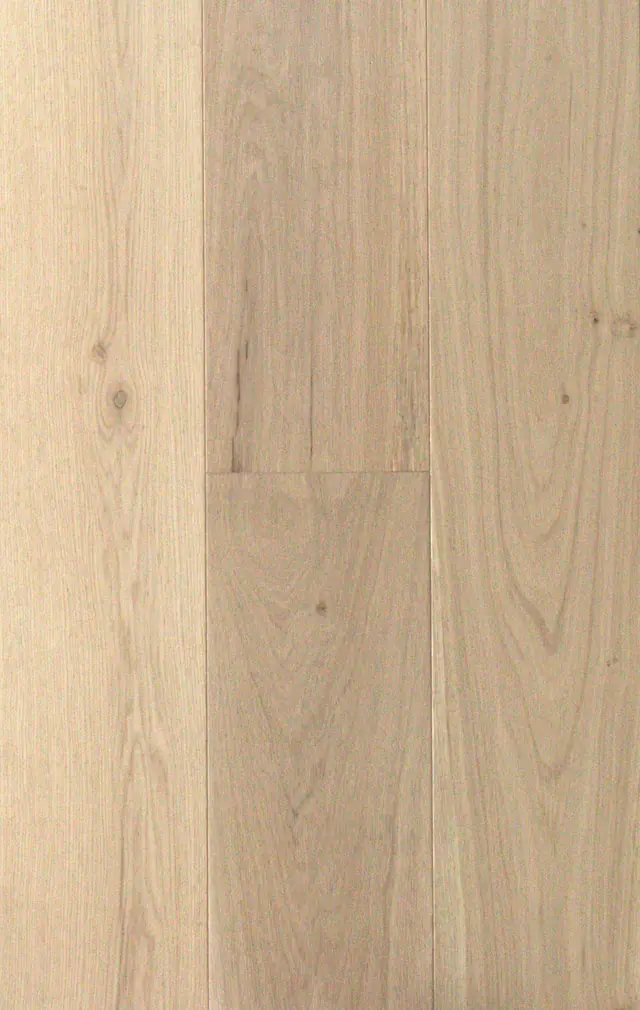
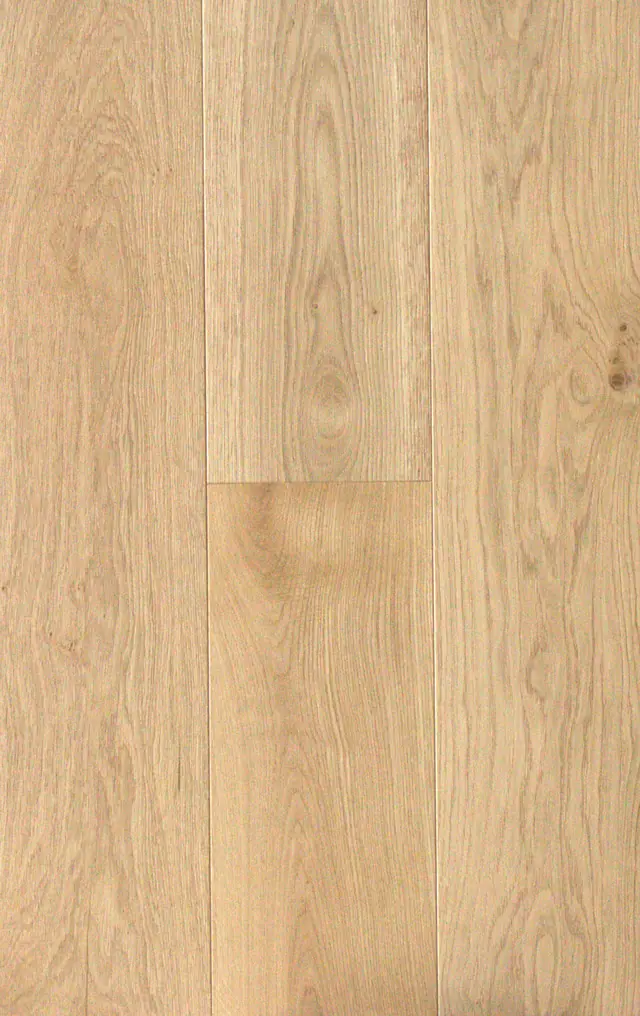
A few floors from the range. Each has its own page with the full specification, a spec sheet and a free sample posted to you.

Ask us about
your floor.

Send us a photo of the room and tell us about the subfloor and heating, and we will recommend the right board. Or order free samples to see them at home.

Order Free Samples →Get in Touch
From a seed to a legacy — generations of craft with LIGNORA