Free samples posted anywhere in the UK✦25-year structural warranty✦The same in-house fitters for over 11 years✦Every enquiry answered within 24 hours✦Free samples posted anywhere in the UK✦25-year structural warranty✦The same in-house fitters for over 11 years✦Every enquiry answered within 24 hours✦

Oiled vs Lacquered Oak Flooring

Both finishes protect the same oak — they just look, feel and age differently. Here is how to choose between them.

Short answer: Oiled oak looks and feels more natural and can be repaired in patches, but needs re-oiling every year or two in busy areas. Lacquered oak has a sealed surface that resists spills and is the easiest to clean, but worn areas usually need a full re-coat. Choose oil for a natural, repairable floor and lacquer for low maintenance. Updated October 2026 by the LIGNORA flooring team

01

How they differ

The finish sits in the wood or on top of it.

Oiled floors are finished with oil that soaks into the wood, giving a natural, matt look and a warm feel underfoot. Lacquered floors have a hard, clear film on the surface — matt, satin or gloss — that seals the wood against spills and is quick to wipe clean.

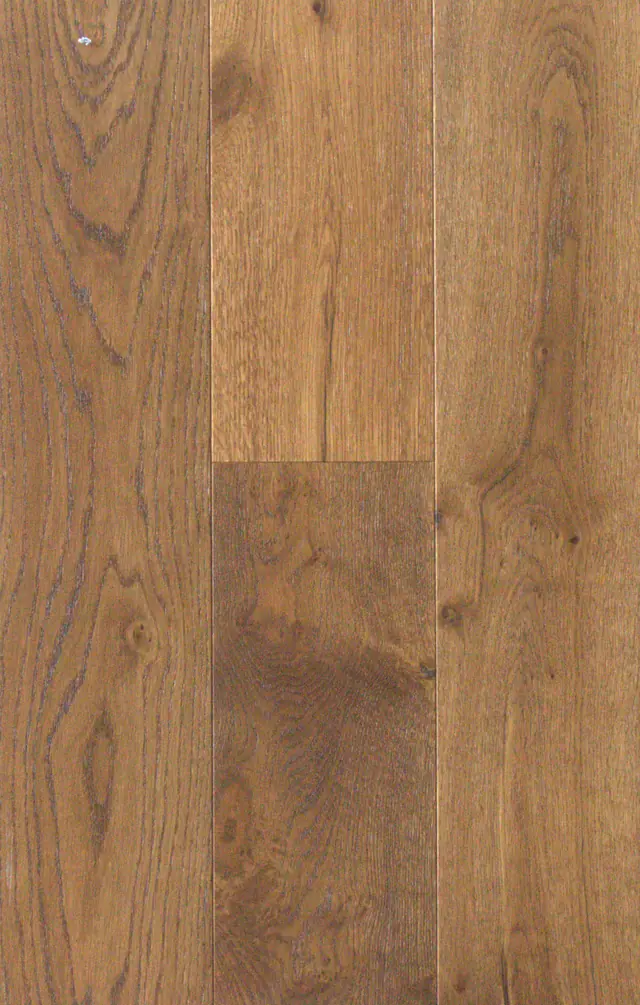
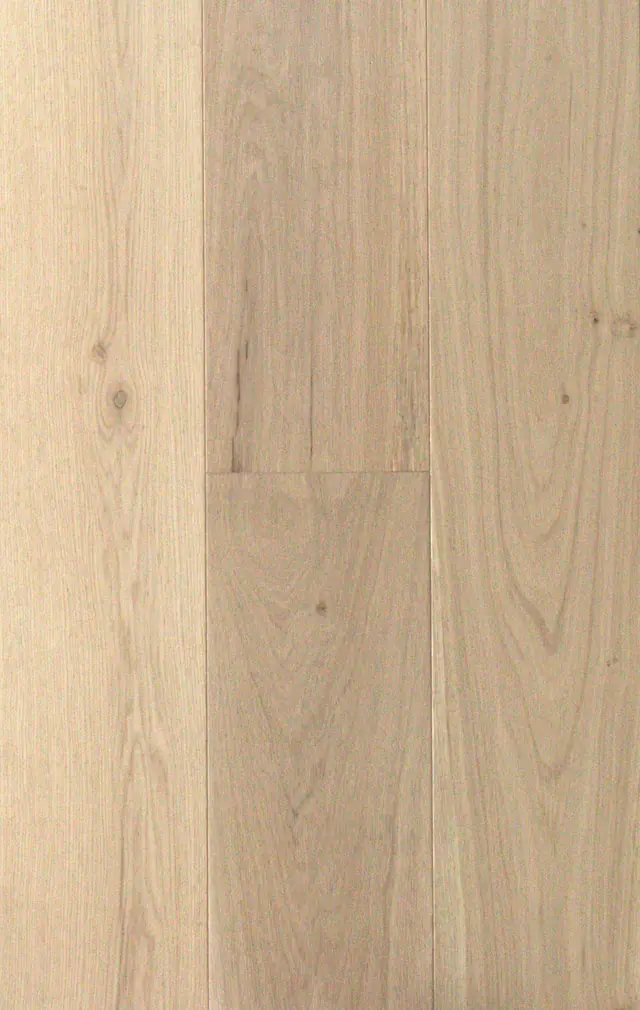
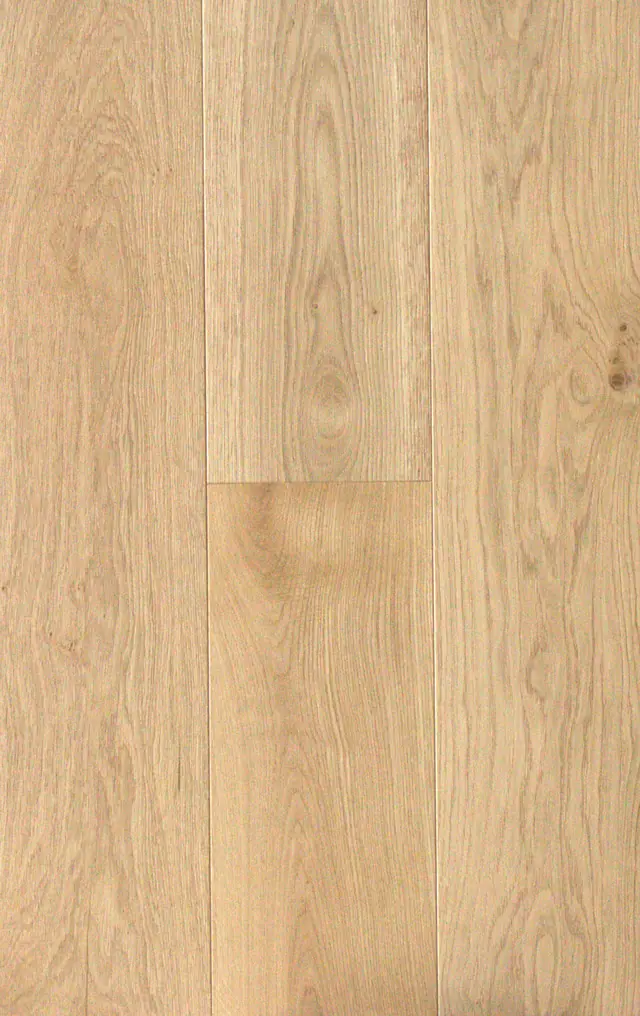
See the floors in each finish: oiled oak and lacquered oak.

02

Wear and repair

The real difference shows over the years.

Oiled

Easy to repair

Shows wear a little sooner, but scratches and worn patches can be re-oiled locally without sanding the whole room. Needs a maintenance oil from time to time.

Lacquered

Low maintenance

Resists spills and everyday cleaning well. Deep scratches through the lacquer are harder to patch, and a full refresh means sanding and re-lacquering.

UV oil

The middle ground

UV-cured oil finishes, used on many of our floors, are hardened in the factory for a natural oiled look with better everyday resistance.

03

Which to choose

Match the finish to the room and how you live.

A quick guide

  • Kitchens and busy hallways: lacquer for easy cleaning, or oil if you want to repair wear yourself
  • Homes with dogs: oil is often preferred because scratches can be re-oiled locally. Pets and children guide
  • Bedrooms and living rooms: either works — choose by the look you prefer
  • Rentals: lacquer, for the lowest day-to-day upkeep
About this guide

Written by the LIGNORA team. Our in-house fitters have over 11 years’ experience laying engineered oak, parquet and solid wood floors, and this guide reflects how we specify floors on real projects. Last reviewed October 2026.

Oiled vs Lacquered Oak,
Answered

The questions we are asked most often.

Ask Us Anything →
Is oiled or lacquered oak flooring better?
Neither is better overall. Lacquer is lower maintenance and resists spills; oil looks more natural and is easier to repair locally.
Can you lacquer an oiled floor?
Not directly. The oil has to be fully sanded off first, because lacquer will not bond to an oiled surface.
How often does an oiled floor need re-oiling?
It depends on traffic. Busy areas usually benefit from a maintenance oil every year or two; quieter rooms need it less often.
Which finish is best for a kitchen?
Lacquer is the easiest to keep clean in a kitchen; a hard-wearing oil also works if you are happy to maintain it.

Floors to start with

A few floors from the range. Each has its own page with the full specification, a spec sheet and a free sample posted to you.

Ask us about
your floor.

Send us a photo of the room and tell us about the subfloor and heating, and we will recommend the right board. Or order free samples to see them at home.

Order Free Samples →Get in Touch
From a seed to a legacy — generations of craft with LIGNORA