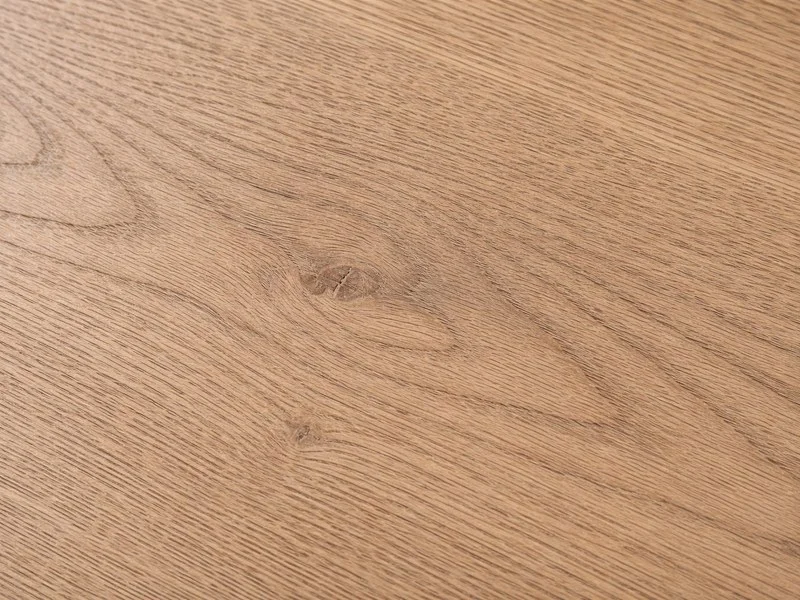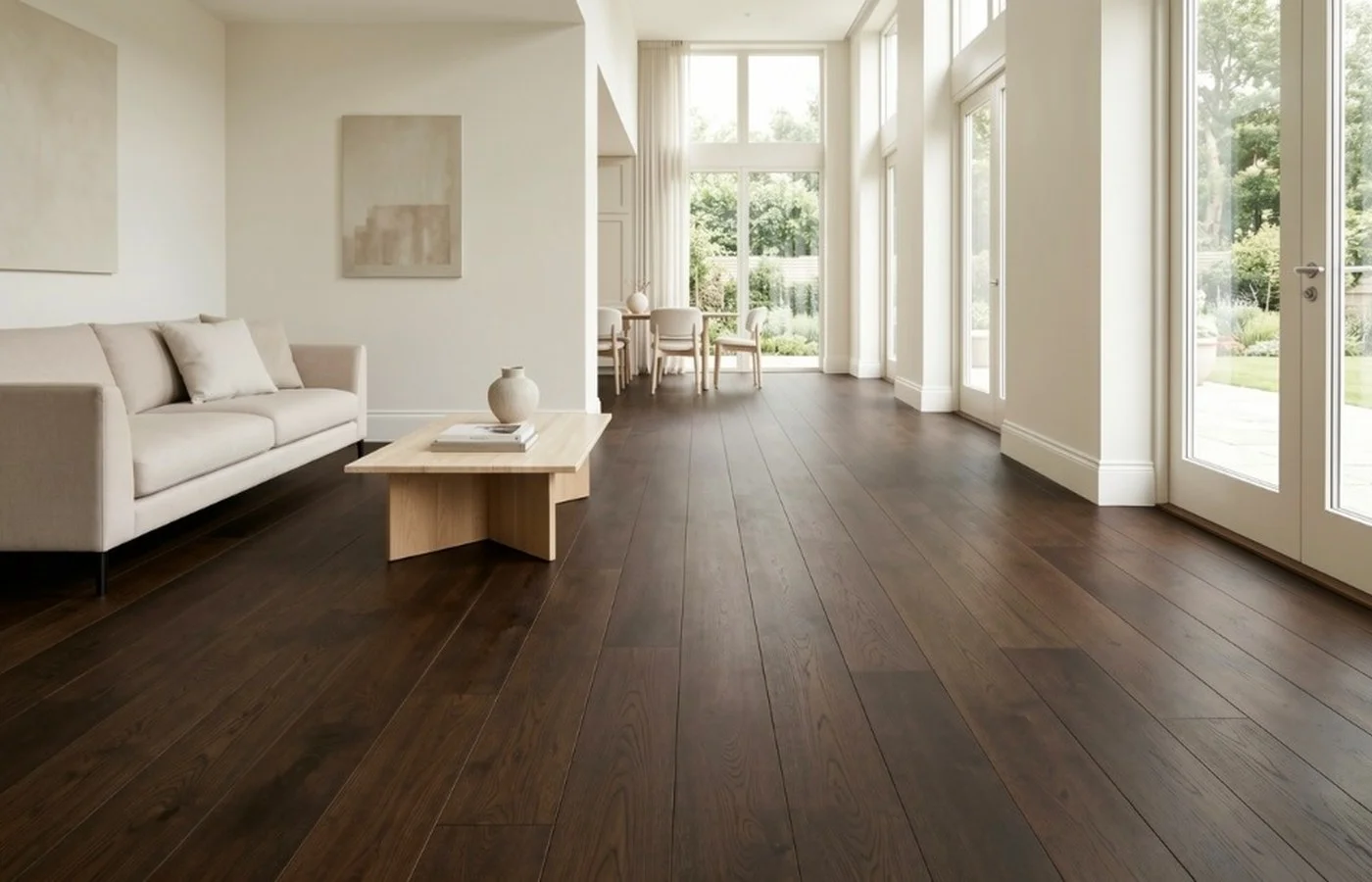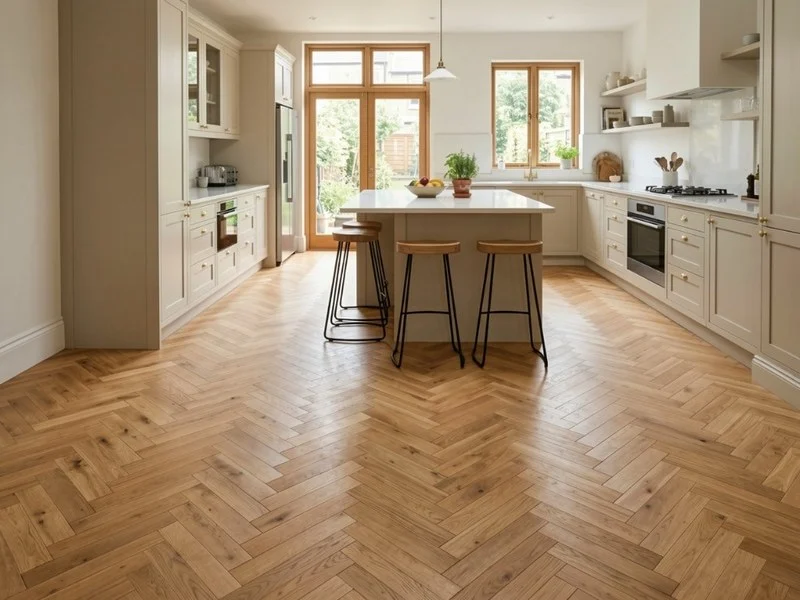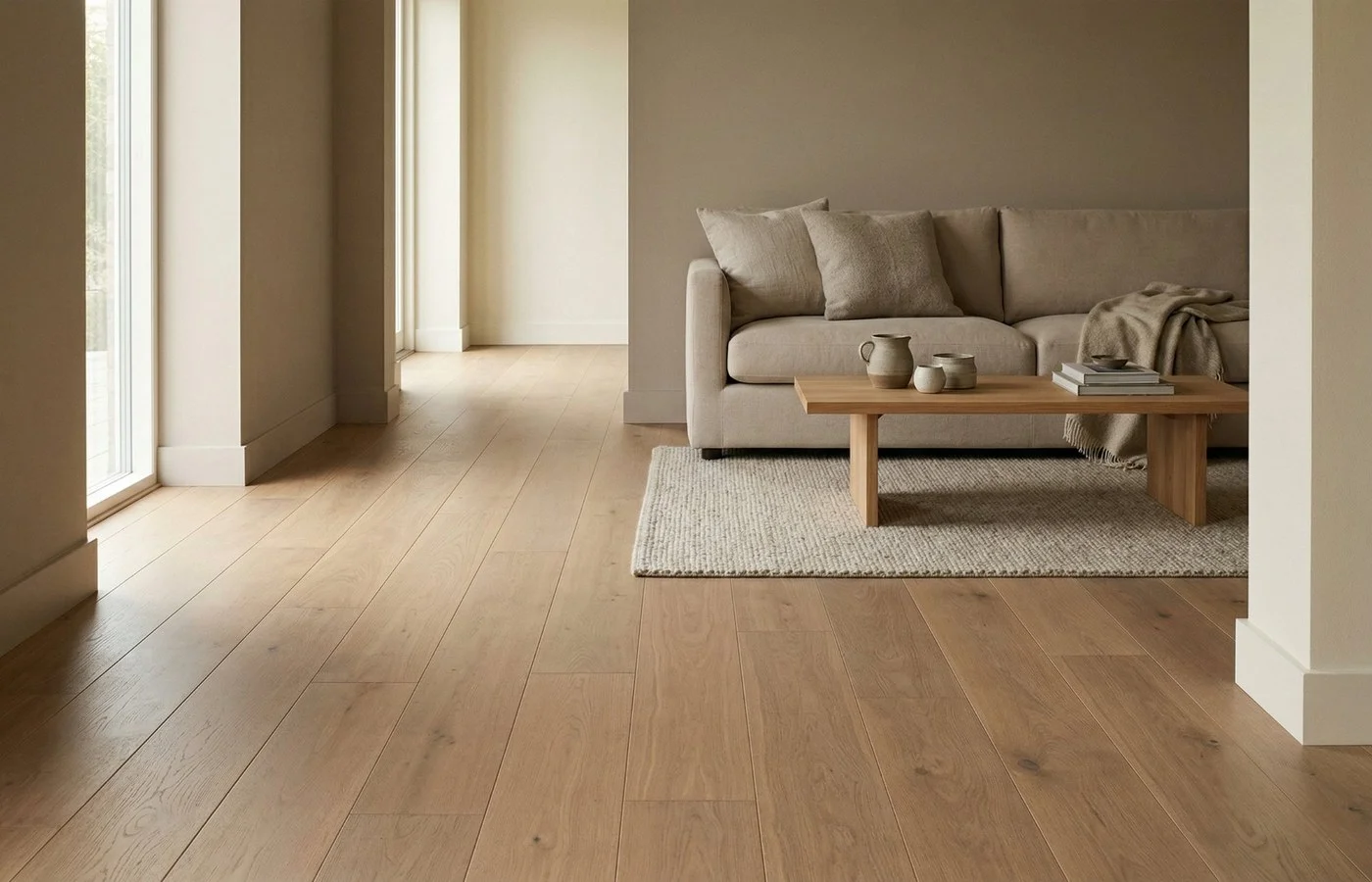
There is a tone of oak — neither pale and bleached nor dark and smoked — that sits in the middle ground and currently dominates the most considered domestic interiors in London and the South East. It reads as warm without being amber. It has enough depth to ground a room without darkening it. It is, for want of a better name, mid-oak.
In practice, mid-oak is a range rather than a single colour. It encompasses naturally aged or lightly hardwax-oiled European oak in its more saturated natural state, light brushed-and-oiled finishes with a faintly greyed undertone, and some of the warmer ends of the brushed-grey-oak spectrum. The common quality is balance: warm enough to feel domestic and comfortable, cool enough to work with contemporary palettes and materials.
It is not a trend in the way that very dark smoked floors were a trend in the early 2010s or very pale washed floors were a trend in the mid-2010s. It is closer to a settled position — a recognition that the extremes date, and that mid-tones endure.
Mid-oak floors work most naturally with what might be called a muted or tonal palette: colours that have been greyed or softened rather than saturated. Sage greens and dusty blues for cabinetry. Warm off-whites and parchment tones for walls. Terracotta, rust, and aged ochre as accent colours in textiles and ceramics. Aged brass and patinated bronze for hardware.
The shared quality of these colours is that they all have a degree of grey in them — they are not primary or pure. This is what allows them to sit comfortably alongside mid-oak without either competing with it or disappearing against it.
The mid-oak floor is less effective in interiors that are built around contrast — very dark walls against very pale architectural elements, for example — because it can read as indecisive in that context. It is also less successful in rooms with very cool, blue-toned natural light, where its warmth can feel slightly sallow. In those rooms, a more confidently grey-toned floor will perform better.
Mid-tone and muted oak floors are the most difficult to specify precisely. A floor that reads as warm neutral in one light reads as cold or flat in another. The specific grey or greige undertone in a brushed and lightly oiled board can shift significantly depending on whether the room faces north or south, and whether the walls are white, off-white, or cream.
The safest approach is to assess three or four candidates in the actual room, at different times of day, before committing. We always bring multiple samples on home visits for exactly this reason — and for muted-tone floors, we recommend a second visit with the shortlisted options after the first narrowing of choices.
Brushed surface textures read differently from smooth — the brushing process opens the grain and gives the floor a tactile character that photographs flatly but feels significant underfoot. If you are drawn to the look of a brushed and oiled floor from images, it is worth assessing a physical sample with your eyes closed as well as open.
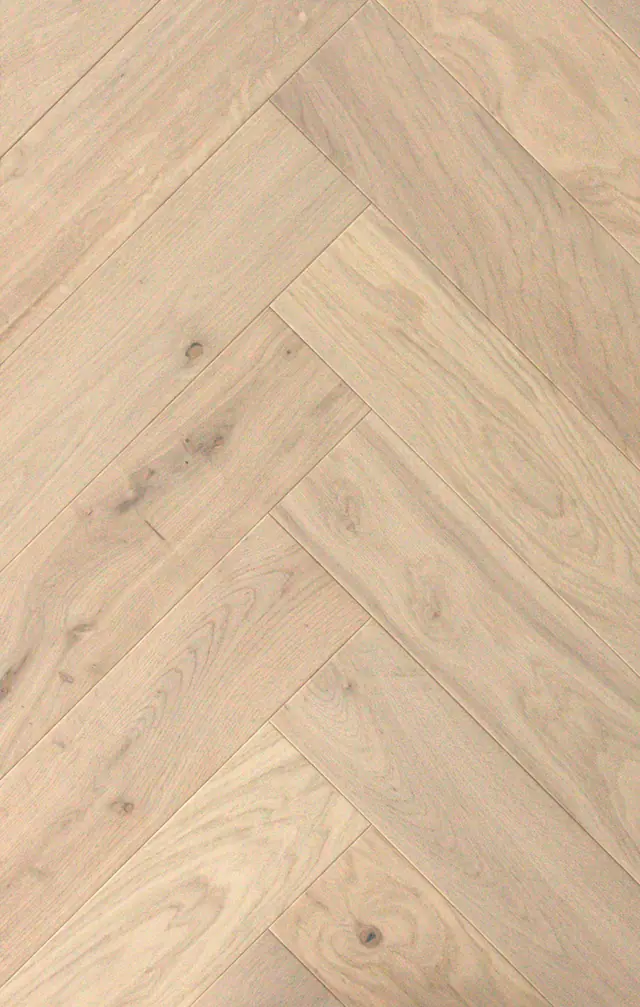
A few floors from the range. Each has its own page with the full specification, a spec sheet and a free sample posted to you.




We would rather understand your room before recommending anything. Order free samples, or send us a photo and tell us about it.