Victorian houses present a specific flooring question that newer properties do not: should you restore what is already there, or install something new? The answer depends on what the existing boards are, what condition they are in, and what the room needs. This guide covers both paths — restoration of original boards and new installation — from the perspective of a company that does both every week across London and the South East.
The first question in any Victorian house flooring project is not "what floor should I choose?" but "what is already there?" The majority of Victorian terraces and semis built between 1870 and 1910 have original softwood — usually Scots pine — laid on timber joists across the ground floor. In some properties it extends to the first floor. In some it has been covered, replaced, or supplemented with concrete in subsequent decades.
Lifting a corner of carpet in a Victorian terrace produces one of three results: original pine boards in good condition, original boards in poor condition (significant damage, gaps, or thinning from previous sands), or a concrete screed with no original boards beneath. Each requires a different approach.
Original pine boards in good condition are almost always worth restoring. Victorian pine is denser than modern equivalents — grown more slowly, with a tighter grain — and the character of the original floor is something that new installation cannot replicate. A three-pass sand and a hardwax oil finish transforms what looked like a worn, dark, dirty floor into one of the most beautiful surfaces in the house.
We lift carpet corners and assess the subfloor as part of every home visit — before any recommendation is made.
Original Victorian pine boards were typically 100–150mm wide, 22–28mm thick, and laid in a straight direction parallel to the longest wall. They respond very well to sanding — the grain is tight and accepts both oil and lacquer beautifully. The colour that emerges after sanding is a warm amber-gold that deepens with age and use.
Hardwax oil is the appropriate finish for original Victorian boards. It penetrates the wood rather than forming a film, preserving the tactile quality of the board and producing a finish that looks as though the floor has always been this way. Lacquer is available for clients who require maximum durability, but it adds a surface sheen that sits slightly at odds with period boards.
Gap filling is important in Victorian boards — the timber has dried and moved over a century, and gaps between boards are normal. We fill gaps with a mixture of sanding dust and compatible filler, matched to the board colour. This prevents draught and improves the appearance without hiding the character of the floor.
A well-executed Victorian board restoration produces a floor that:
Where new installation is required — because original boards are absent, too thin, or structurally compromised — the following specifications are the most appropriate for Victorian properties.
The closest aesthetic to what a Victorian house would have had — the herringbone pattern was common in Victorian hallways and reception rooms. Smoked oak or natural grade in 70×280mm or 90×360mm. Glue-down on concrete subfloor. On-site hardwax oil finish. This is our most common recommendation for Victorian terraces in Chelsea, Islington, Dulwich, and Chiswick.
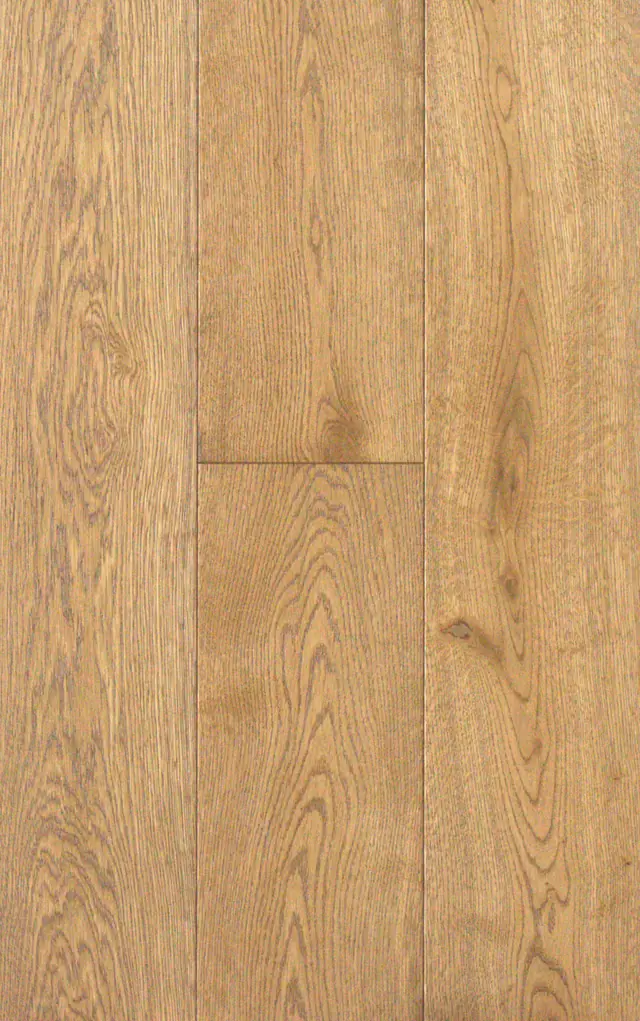
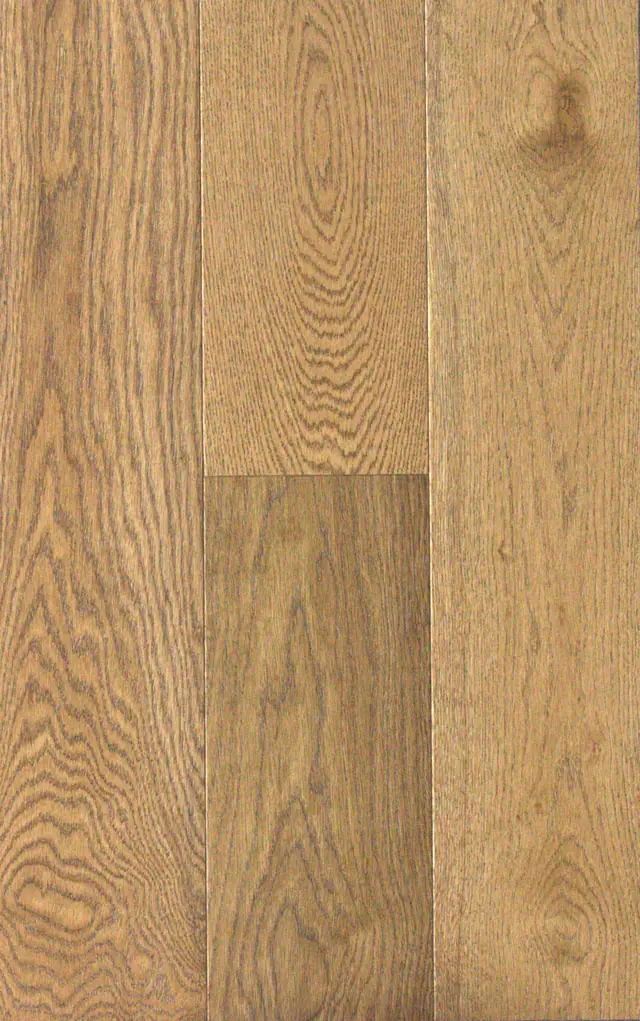
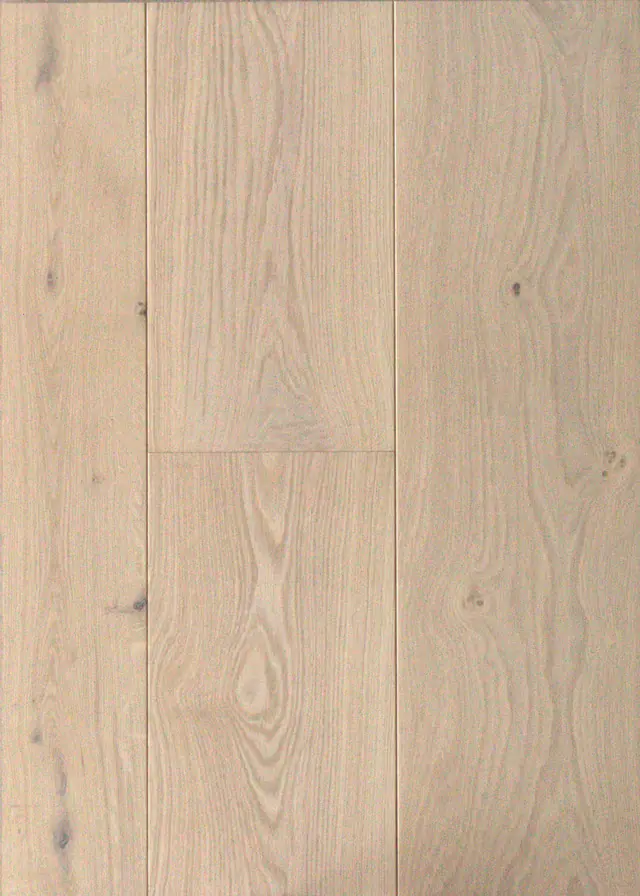
Natural or character-grade wide plank (150–200mm) running parallel to the longest wall. Works throughout a Victorian house — reception rooms, kitchen extensions, hallways — as a continuous floor. Particularly appropriate in Victorian properties where the brief is to connect the original house with a new extension. Suits both period and contemporary interior styles.
In Victorian houses where some rooms have restorable boards and others do not, we sometimes recommend restoring the boards where they exist and installing new engineered oak in sections where they are absent — specifying the new boards to match the restored ones in width, tone, and finish. We assess and advise on this on a room-by-room basis.
The original board assessment guide covers how to evaluate what you have. Our sand and restore service covers the full restoration process. For new installation, the installation service covers every pattern and fixing method.
The complete floor restoration service — Victorian pine, Edwardian oak, original parquet and engineered floors.
View service GuideThe most appropriate new pattern for Victorian properties — specification, fixing method, and London coverage.
View guide PricingRestoration vs replacement costs — what each option costs per m² and what the typical project total looks like.
View pricingWe visit, lift carpet corners, assess what's there, and give you an honest recommendation — restoration, new installation, or a combination. No obligation.